
That sharp, stabbing sensation in the bottom of your foot during your very first steps out of bed is a frustratingly familiar experience for thousands of adults. Millions of people suffer from this specific type of intense morning heel pain, only for the discomfort to gradually dull into a stubborn, throbbing ache as they move throughout the day. It feels as though you are stepping directly onto a nail, making even a short walk to the kitchen an agonizing chore.
If this sounds familiar, you are likely dealing with plantar fasciitis—one of the most common yet frequently misunderstood orthopedic conditions behind severe morning heel pain.
When this type of sharp morning heel pain strikes, it is tempting to hope it will simply go away on its own. However, relying on generic advice or ignoring the root cause often transforms a temporary strain into a chronic, debilitating issue. At Acucare Physical Therapy in Sioux Falls, we take a different approach. By combining advanced clinical technologies like Astym® therapy with comprehensive mechanical tracking, we help patients eliminate heel pain at its source and reclaim their active lifestyles.
What is Plantar Fasciitis? (Why Your Heel Hurts First Thing in the Morning)
To understand why your foot hurts so intensely in the morning, it helps to look at the anatomy of the lower leg and foot.
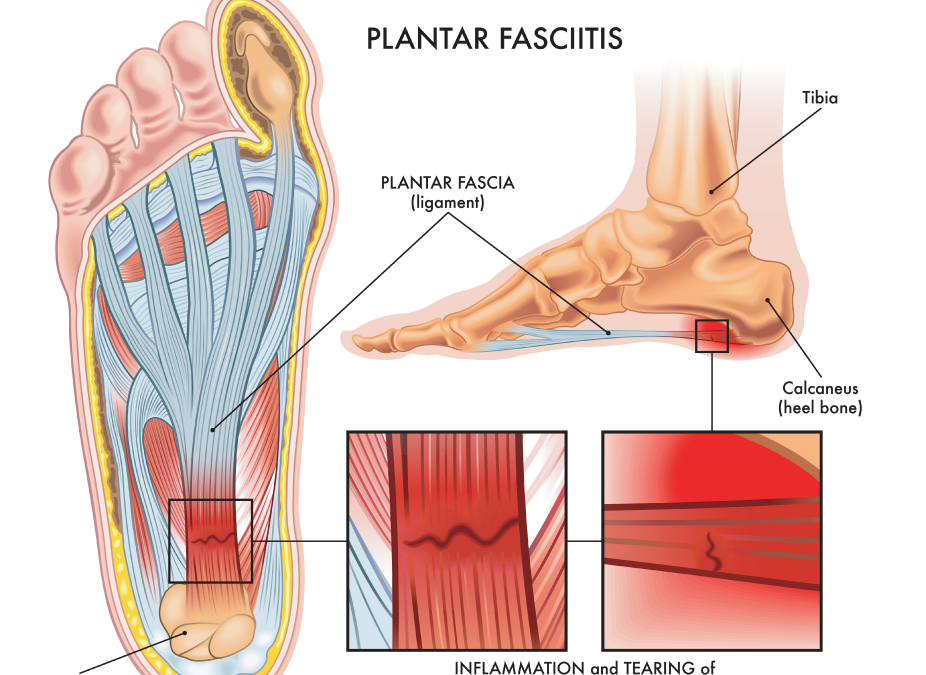
The plantar fascia is a thick, resilient band of fibrous tissue that runs along the bottom of your foot, connecting your heel bone (calcaneus) to the base of your toes. This tissue acts as a natural, shock-absorbing bowstring that supports the longitudinal arch of your foot every time you bear weight.
When your foot is subjected to repetitive stress, sudden increases in physical activity, or poor mechanical alignment, the plantar fascia undergoes microscopic tearing. This micro-trauma triggers a localized inflammatory response.
The Morning Foot Pain Phenomenon
Why is the pain so severe during those first morning steps? When you sleep, your foot naturally rests in a downward-pointing, relaxed position (plantarflexion). In this position, the plantar fascia shortens and begins to knit together and heal.
The moment you swing your legs out of bed and stand up, your body weight forces the foot into a flat position, abruptly stretching and re-tearing that partially healed tissue. This sudden mechanical strain is what causes that signature, sharp morning pain.
The Limitations of “Rest and Ice” for an Inflamed Plantar Fascia
When heel pain initially develops, most people turn to standard home remedies: resting, taking over-the-counter anti-inflammatories, or rolling the arch of the foot over a frozen water bottle. While these methods can temporarily mask acute symptoms or take the edge off severe inflammation, they rarely solve the underlying problem.
Plantar fasciitis is often less about acute, short-term inflammation and more about degeneration of the tissue. Over time, repetitive micro-tears without proper cellular healing lead to disorganized scar tissue formation. The tissue becomes dense, brittle, and less vascularized, making it difficult for the body to repair itself naturally.
Simply resting a degenerative ligament will not make it stronger or more flexible. Once you return to your normal walking, running, or standing routines, the exact same mechanical stresses will trigger the exact same pain. Lasting relief requires shifting the focus from masking the pain to actively regenerating the damaged tissue.
Advanced Plantar Fasciitis Treatment at Acucare: The Astym® Advantage
At Acucare Physical Therapy, we move past temporary fixes by utilizing advanced, non-invasive rehabilitation tools designed to reset the body’s natural healing mechanisms. Our primary tool for treating chronic tendon and ligament issues is Astym® treatment.
How Astym® Regenerates Soft Tissue
Unlike traditional massage or superficial scraping techniques, Astym® is a scientifically validated, cellular-level therapy. Utilizing specialized, ergonomically designed instruments, a certified clinician gently glides across the muscles and ligaments of your lower leg and foot.
These instruments are engineered to detect and target abnormal, dense scar tissue and internal restrictions within the soft tissues. By applying targeted mechanical pressure, Astym® therapy safely breaks down this dysfunctional scar tissue without damaging healthy structures.
This process triggers a localized cellular response, releasing growth factors and stimulating the body to clear out old debris and lay down fresh, parallel strands of healthy collagen. This transforms a brittle, painful plantar fascia back into a flexible, resilient support system.
Maintaining Impact-Free Mobility with the AlterG Treadmill
For local athletes, runners, or active adults, being told to stop exercising during recovery can be incredibly discouraging. To combat this, we integrate our AlterG Anti-Gravity Treadmill into foot and ankle rehabilitation protocols.
The AlterG uses advanced air pressure technology to precisely de-weight your body by up to 80%. This allows you to walk or run at a fraction of your actual body weight, meaning you can maintain your cardiovascular fitness, perfect your gait mechanics, and keep your legs moving without putting painful impact on your healing plantar fascia.
Foot Biomechanics and Custom Alignment
While treating the localized pain in the heel is essential, long-term success requires addressing why the plantar fascia became overloaded in the first place. Your foot does not operate in isolation; it is the foundation of an interconnected kinetic chain.
When analyzing plantar fasciitis, we look closely at several contributing mechanical factors:
- Calf and Achilles Tightness: Restricted mobility in the calf muscles limits the ankle’s ability to bend upward (dorsiflexion), forcing the arch of the foot to over-pronate and stretch excessively with every step.
- Hip and Core Weakness: Poor stability in the gluteal muscles can cause the entire leg to rotate inward while walking, placing an uneven, twisting strain directly onto the foot structure.
- Improper Foot Support: Wearing shoes that do not match your structural foot type can accelerate ligament strain.
To ensure your body is supported around the clock, we focus heavily on custom alignment solutions, including assessing your structural dynamics for orthotic support and evaluating daily lifestyle factors—even down to the support your body gets while resting using specialized Pillowise custom alignment options. By restoring proper joint mobility in the ankle, strengthening the stabilizing muscles of the hip, and optimizing your structural baseline, we distribute impact forces evenly across the entire leg—taking the unfair burden off your heel.
Your Path to Pain-Free Movement Begins Today
Plantar fasciitis does not have to dictate how you live your life, how you exercise, or how you feel when you first wake up in the morning. Through a combination of targeted exercises, mechanical corrections, and advanced therapies like Astym®, you can achieve lasting relief.
If you are ready to stop managing your foot pain and start fixing it, our team is here to build a comprehensive plan tailored specifically to your body.
Take Charge of Your Health Today
Did you know that South Dakota is a Direct Access state? This means you are legally empowered to seek evaluation and treatment from a physical therapist immediately. You do not need to wait for a doctor’s referral or go through a lengthy screening process before getting professional care for your feet.
Schedule an appointment directly with an expert physical therapist in Sioux Falls today. Contact Acucare Physical Therapy at 605-335-7723 or visit our clinic at 1700 S Minnesota Ave, Sioux Falls, SD to take your first step toward pain-free movement. Let us help you experience the long-term benefits of specialized, advanced orthopedic therapy designed to get you back on your feet for good.
Recent Comments