
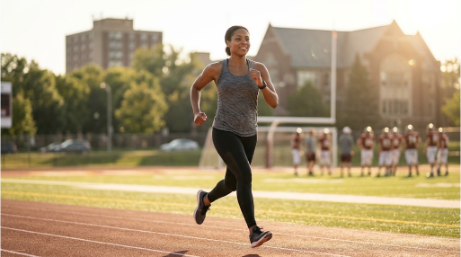
Fall sports are back in full swing across Sioux Falls, SD, which means an influx of athletes pushing their bodies to the limit. From sudden stops on the soccer field to hard tackles on the gridiron, autumn athletics put immense stress on joints and ligaments.
It’s no surprise that knees take the brunt of this impact. Research indicates that football players experience the highest rate of knee injuries among US high school athletes, with approximately 6.29 knee injuries per 10,000 athlete exposures. When a sprain or tear happens, waiting it out isn’t a strategy. Targeted orthopedic therapy is the most effective way to repair the damage and prevent long-term joint issues.
Common Culprits of Fall Sports Knee Pain
Athletes typically run into trouble due to sudden changes in direction, rapid deceleration, or direct collisions. These movements often lead to:
- Ligament Sprains: The ACL and MCL are highly vulnerable to tearing when the knee is twisted or pushed inward. We frequently rehabilitate serious injuries like ACL tears sustained during physical activity.
- Meniscus Tears: The shock-absorbing cartilage in the knee can rip during aggressive pivots.
- Patellar Tendonitis: Repeated jumping and sprinting can inflame the tendon connecting the kneecap to the shinbone.
How Physical Therapy Speeds Up Recovery
If you or your child are sidelined with knee pain, our team at Acucare Physical Therapy develops an individualized sports therapy plan tailored to your specific needs, challenges, and goals. We don’t just treat the immediate symptoms; we address the underlying biomechanics that led to the injury in the first place.
Our approach to physical therapy involves:
- Pain and Swelling Reduction: We use manual techniques and advanced modalities to calm inflamed tissues quickly.
- Targeted Strengthening: Rebuilding the muscles surrounding the knee ensures better joint stability. We use exercises, hands-on therapies, and advanced techniques to boost strength, flexibility, and overall mobility.
- Sport-Specific Conditioning: We simulate on-field movements to guarantee you are ready to return to competition without the risk of reinjury.
For severe injuries or post-surgical recovery, our orthopedic therapy protocols guide you through every phase of healing. We utilize tools like our AlterG Anti-Gravity Treadmill to allow athletes to begin walking and running earlier in their recovery by safely reducing body weight impact.
Ready to Get Back in the Game Without Knee Pain?
Don’t let sports injuries or persistent joint pain keep you on the sidelines this season. Contact Acucare Physical Therapy today to schedule your comprehensive evaluation for physical therapy in Sioux Falls and take the first step toward a safe, full recovery.
Frequently Asked Questions
Do I need a doctor’s referral to start physical therapy for a sports injury?
Under South Dakota Direct Access law, you do not need a doctor’s referral to begin treatment. You can schedule an evaluation and begin treatment for your sports injury immediately, getting you on the road to recovery faster.
How long does it take to recover from a sports-related knee injury?
Recovery timelines depend entirely on the severity of the damage. A mild sprain might require a few weeks of targeted exercises, while rehabilitating a post-surgical ACL tear can take several months of consistent orthopedic therapy.
Can physical therapy prevent future sports injuries?
Yes. We identify and correct muscle imbalances, poor movement mechanics, and flexibility deficits. Strengthening the stabilizing muscles around your joints significantly lowers your risk of sustaining a future injury.
What should I wear to my sports therapy appointment?
Wear loose, comfortable athletic clothing that allows the therapist easy access to the injured area. For a knee injury, shorts are the best option so we can properly assess the joint and surrounding muscles.
Will my knee pain completely go away with therapy?
Our primary goal is to eliminate your pain and fully restore your functional mobility. While severe or chronic conditions can sometimes leave lingering stiffness, completing a dedicated therapy program offers the highest probability of a complete, pain-free recovery.
Recent Comments